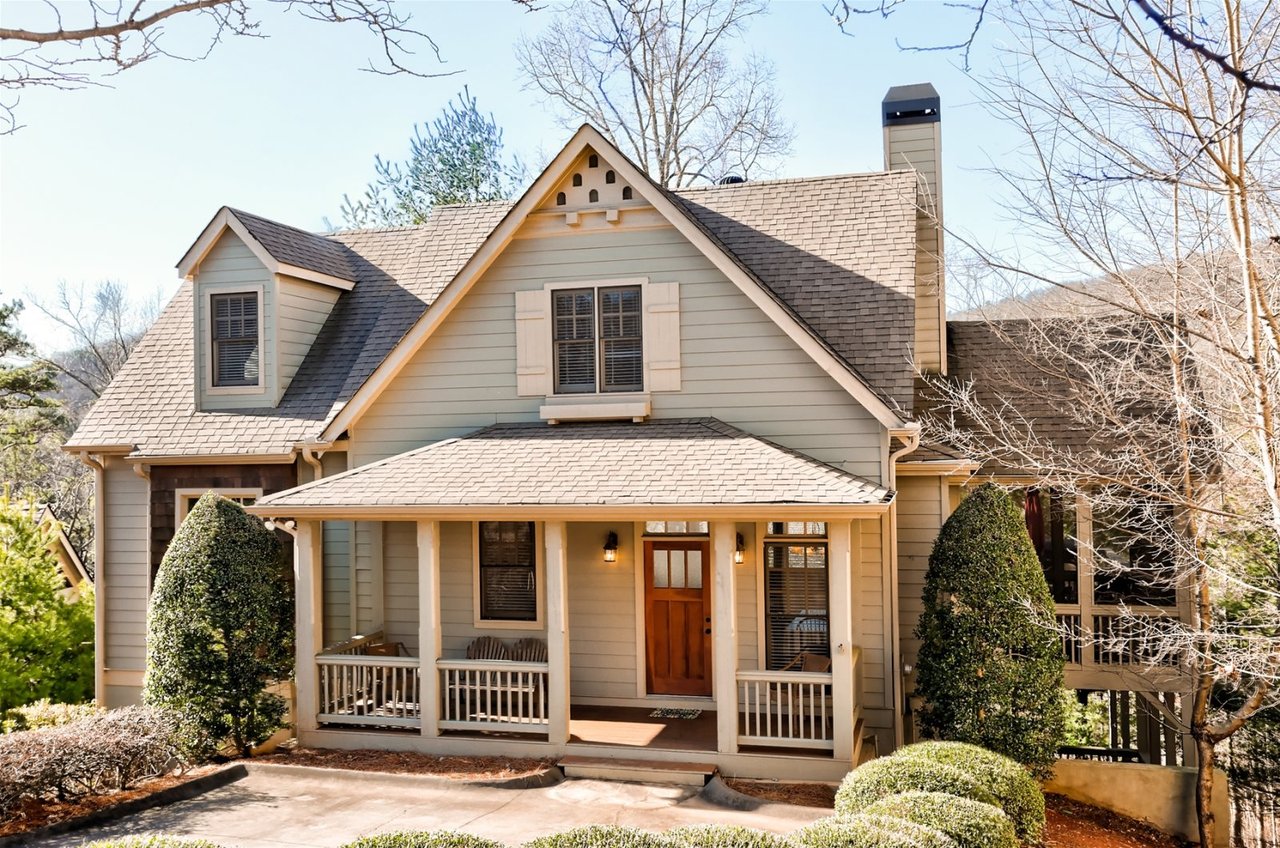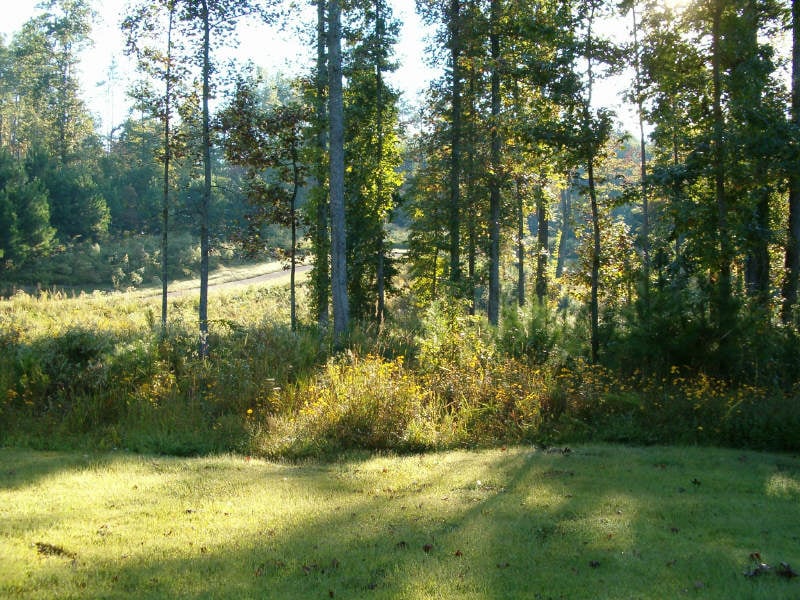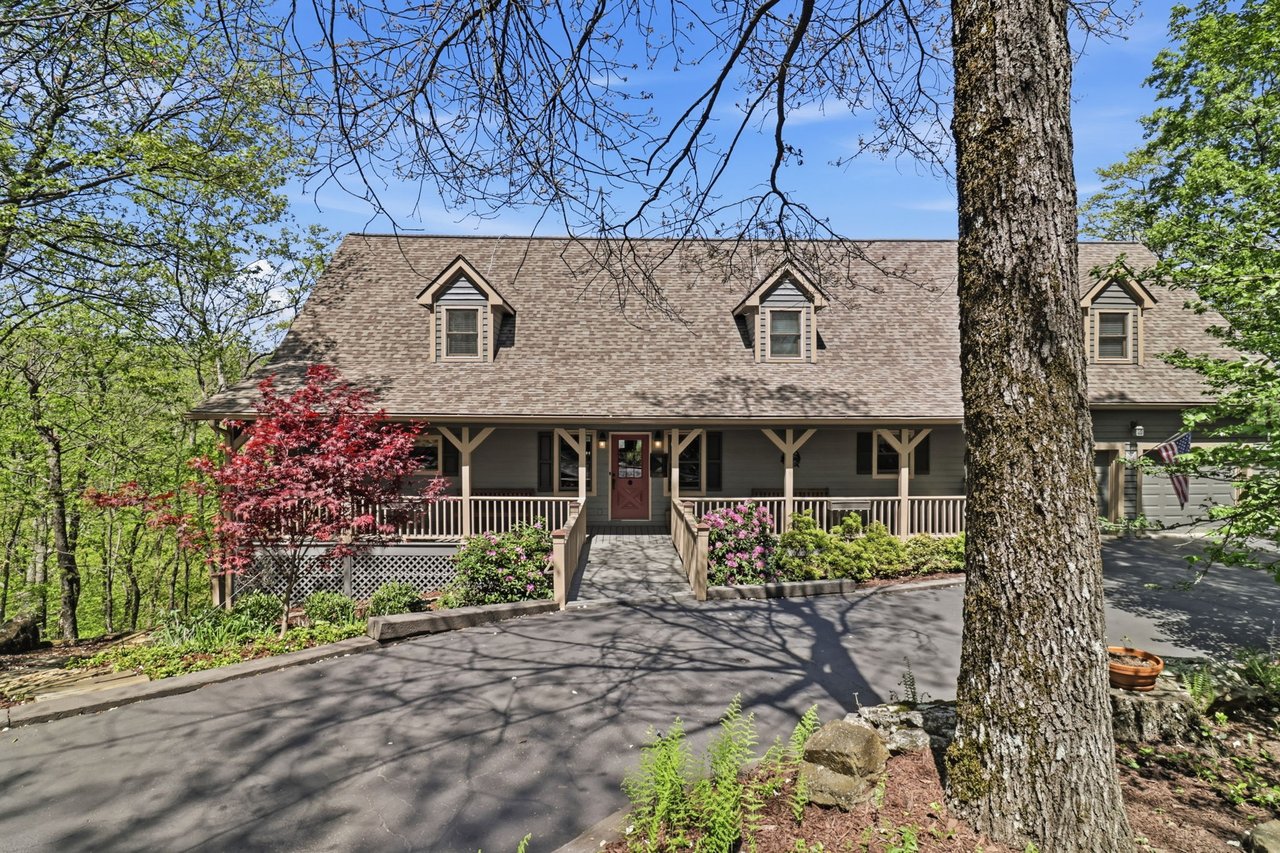
You've decided to list. The exterior paint has faded, the deck could use a fresh coat of stain, and there are two or three trees crowding the view that sold you on this lot in the first place. How long before all of that is done and your listing photos get scheduled?
In most places, the answer is a weekend and a phone call to a painter. In Big Canoe, the honest answer runs through a formal approval process that governs your paint color, your deck stain, your porch ceiling, your outdoor lighting, and whether you're even allowed to cut a single branch before someone signs off on it in writing. Sellers who treat pre-listing prep as a simple to-do list often lose the exact time they were trying to save.
The color chart you don't get to pick
Big Canoe's Architectural and Environmental Control Department, known around the community as the AECD, reviews design, construction, and maintenance changes across the property. That authority covers far more than new builds. Under the current Architectural and Environmental Residential Control Standards, effective January 1, 2026, deck floors, deck posts, porch columns, cornice and fascia boards, top hand rails, and porch ceilings all have to match the siding or trim color, or use a stain pulled from the approved list in Appendix K. Siding and trim paint has to be flat or satin finish. Gutters, gutter guards, and downspouts follow the same color rule.
The standards go further into the small stuff sellers assume nobody checks. Outdoor trash containers have to meet specific enclosure requirements and get their color and design approved. Tarps and covers for grills, hot tubs, and firewood are limited to dark green, brown, black, or dark gray. Outdoor fire pits, chimeneas, and fire rings are not permitted at all, with two narrow exceptions: a propane appliance built for a deck or patio, and a masonry or UL-approved fireplace with a chimney cap and spark arrestor that AECD signs off on separately. Exterior lighting has to be shielded, capped at 525 lumens per bulb, and can't spill onto a neighbor's property, following guidance from the Illuminating Engineering Society and the International Dark-Sky Association.
None of that reads like a typical pre-listing punch list. It reads like a checklist that has to clear a review board before a painter ever opens a can.
The tree that's blocking your listing photo
The bigger surprise usually shows up outside, not on the porch. Under Big Canoe's tree and shrub provisions, no cutting of any kind is allowed anywhere in the community until the owner or builder requests and receives written permission from AECD. That includes routine trimming meant to open up a view, which the community calls vista pruning, and it applies whether the trees are on your lot or not.
Skip that step and the cost is not abstract. Unauthorized vista pruning carries a fine of $500 per tree or shrub, assessed per specimen rather than per incident, which means a quick weekend cleanup ahead of a photographer's visit can turn into a bill that lands during the exact week a seller wants zero surprises. The approved path works differently. An owner calls AECD, gets a list of tree services the department already works with, and that service then schedules a supervisor to be on site for the cutting. The supervisor documents the work as it happens, and the owner and tree service both sign off once it's finished. The supervisor's time is billed hourly to the property owner's POA account, so it's worth building into a prep budget rather than treating it as a rounding error.
If a seller's plan is to have a crew quietly drop three trees the week before photos, that plan does not survive contact with how this system actually works.
What happens if you skip a step
Enforcement in Big Canoe leans heavily on residents flagging problems rather than AECD patrolling every lot on its own, since the department simply does not have the staff to catch every change as it happens. That means a rushed repaint or an unpermitted tree removal can sit quietly for weeks and then surface because a neighbor noticed and said something, which is a rough way to find out about a compliance issue while you're already under contract.
Builders and contractors working in Big Canoe sign a pledge to follow the community's rules before they're allowed to start a project, and the responsibility for compliance still sits with the property owner even when a contractor is the one who cuts a corner. For active construction and larger renovation work, the fine schedule escalates fast: $1,500 for a first violation, $3,000 for a second or a repeat, and a suspension of building privileges on the third. Owners have ten days to appeal a violation notice, but an appeal changes the process, not the underlying rule.
Here's a quick reference for what typically needs sign-off before a seller starts a pre-listing project:
Pre-listing project | Needs AECD approval | What the rule actually says |
|---|---|---|
Repainting or restaining exterior | Yes | Must use an approved color or stain from Appendix K |
Deck floor, post, or handrail work | Yes | Must match siding or trim color |
Tree or shrub removal for a view | Yes | Written permission required before any cutting; unauthorized work fined $500 per tree/shrub |
Adding outdoor lighting | Yes | Must be shielded, capped at 525 lumens per bulb |
Adding a fire pit or fire ring | Generally no | Only a patio propane unit or an AECD-approved masonry fireplace qualifies |
New trash enclosure or grill cover | Yes | Color limited to dark green, brown, black, or dark gray |
Building the timeline backward from your list date
The projects above aren't complicated on their own. The part that trips sellers up is sequencing them correctly with everything else that has to happen before a home goes live. A workable order looks like this:
- Call AECD before booking any contractor. The office keeps a file on every home that includes prior approved colors, septic information, and the site plan, so it's worth asking what's already on record before assuming a color needs to change at all.
- Pull the current Approved Exterior Colors list before buying paint or stain, since a color that matched five years ago may not be the same shade the community has on file today.
- If opening a view is part of the plan, submit the tree request in writing and get on a vista pruning supervisor's schedule early rather than the week photos are due.
- Build in a buffer for the ten-day appeal window in case a notice arrives mid-project.
- Confirm any contractor has signed AECD's compliance pledge before the first day of work, not after a neighbor calls in a complaint.
Why this system is worth working with, not around
It's easy to read all of this as friction and nothing else. The other side of it is that the same rules keeping your paint color inside the lines are the ones keeping a neighbor from building something that would drag down the value of the home you're trying to sell. Big Canoe buyers are paying for a consistent, natural-materials look across the community, and the AECD is the mechanism that protects that look on both sides of a closing.
This is exactly the kind of sequencing problem that benefits from someone who has already run it a few times. I've spent close to two decades in Big Canoe and built my real estate business around the details that decide whether a listing goes smoothly or stalls out over something as small as a deck stain color. If you're weighing what to fix before you list, or wondering whether that view-clearing project is worth the paperwork, Steve Yambor can walk through the sequence with you before a single paintbrush comes out.
FAQ
Do I need approval to restain my deck the same color it already is? It's worth checking before you assume the answer is no. AECD's approved list gets updated, and a shade that was fine when the deck was last stained may not be the current approved match, so a quick call ahead of the project avoids a redo.
Can I remove one or two trees to open up a view for photos without asking first? No. Any cutting requires written AECD permission before it happens, and unauthorized pruning is fined per tree or shrub rather than per project.
My contractor said they'd handle the paperwork. Is that enough? Contractors sign a compliance pledge, but the property owner is still on the hook for the covenants and standards even if a contractor moves ahead without approval.
Who do I actually call to start this process? AECD's office at 706-268-3394 handles sign-off for both cosmetic projects and larger renovation work, and can tell you what's already on file for your home.
Ready to talk through what your home needs before it goes on the market? Let's Connect.